Your Guide to Customizing Panama Vacation Homes
Your Guide to Customizing Panama Vacation Homes
Customizing a Panama vacation home means adapting design, materials, and features specifically to the country’s tropical climate, coastal aesthetics, and your personal lifestyle needs. Done right, the process transforms a standard property into a durable, comfortable retreat that holds its value and performs well whether you use it seasonally or rent it out. This guide covers the decisions that matter most: climate-specific materials, interior and exterior design, preventive maintenance, and smart technology. If you are still in the buying phase, Panamainvestors offers a detailed step-by-step guide to help you get there first.
What climate-specific design choices should you make for a Panama vacation home?
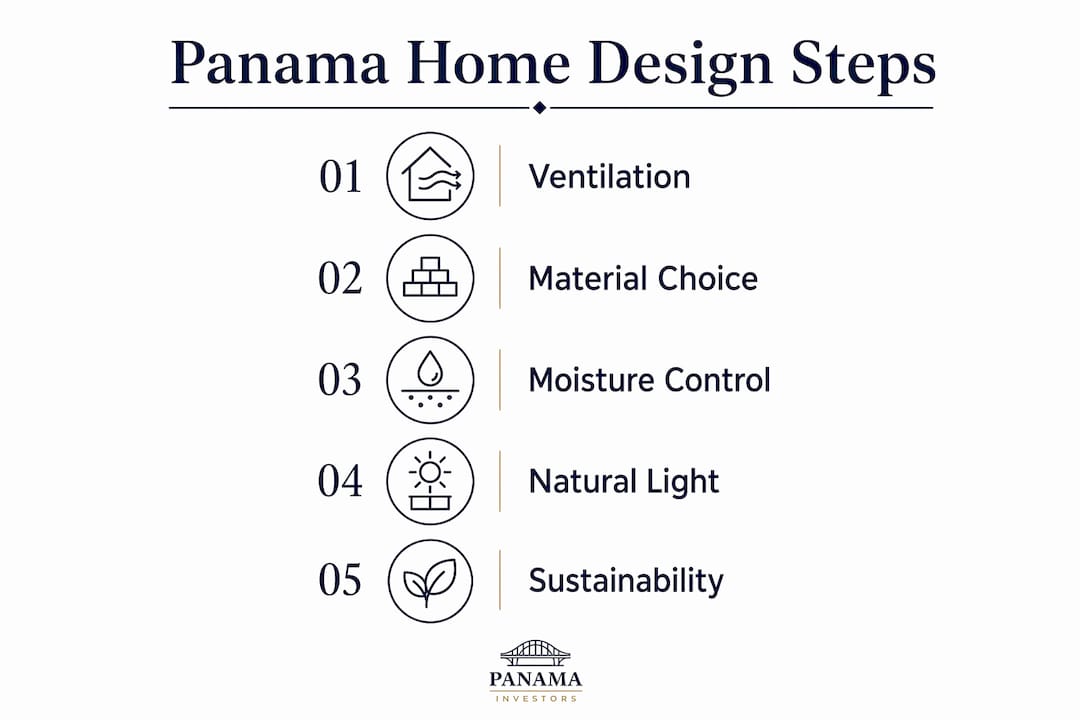
Humidity is the single biggest design constraint in Panama, not just a housekeeping inconvenience. Humidity in Panama exceeds 80% year-round, which means every material and finish you choose will be tested by constant moisture exposure. That level of humidity accelerates mold growth, warps untreated wood, and corrodes standard metal fixtures within months rather than years.
Your first design priority is ventilation. Exhaust fans and open interior doors significantly reduce moisture buildup in enclosed spaces, which directly cuts mold and mildew risk. Cross-ventilation through strategically placed windows and louvered panels works even better when combined with ceiling fans, since moving air prevents the stagnant conditions that humidity thrives in. Designing your floor plan with airflow in mind from the start costs nothing extra and pays dividends for decades.
Material selection is where most first-time customizers make expensive mistakes. Untreated hardwood looks beautiful but absorbs moisture and warps within a single rainy season. Concrete block construction with sealed surfaces outperforms wood framing in Panama’s climate. For finishes, moisture-resistant paints and sealants in kitchens, bathrooms, and laundry areas extend wall durability and prevent the peeling that makes interiors look neglected fast.
| Material | Climate suitability | Key consideration |
|---|---|---|
| Treated hardwood | Moderate | Requires annual sealing; good for interior accents |
| Untreated wood | Poor | Warps and rots quickly in high humidity |
| Concrete block | Excellent | Durable, mold-resistant when sealed properly |
| Galvanized or stainless steel | Good | Resists corrosion better than standard steel |
| Standard steel | Poor | Rusts rapidly in coastal and humid conditions |
| Ceramic or porcelain tile | Excellent | Ideal for floors and wet areas; easy to clean |
Pro Tip: Apply a penetrating concrete sealer to all exterior walls before painting. This blocks moisture at the substrate level, not just at the surface, and extends the life of your paint job by several years in Panama’s wet season.
How to tailor interior and exterior features for comfort and style
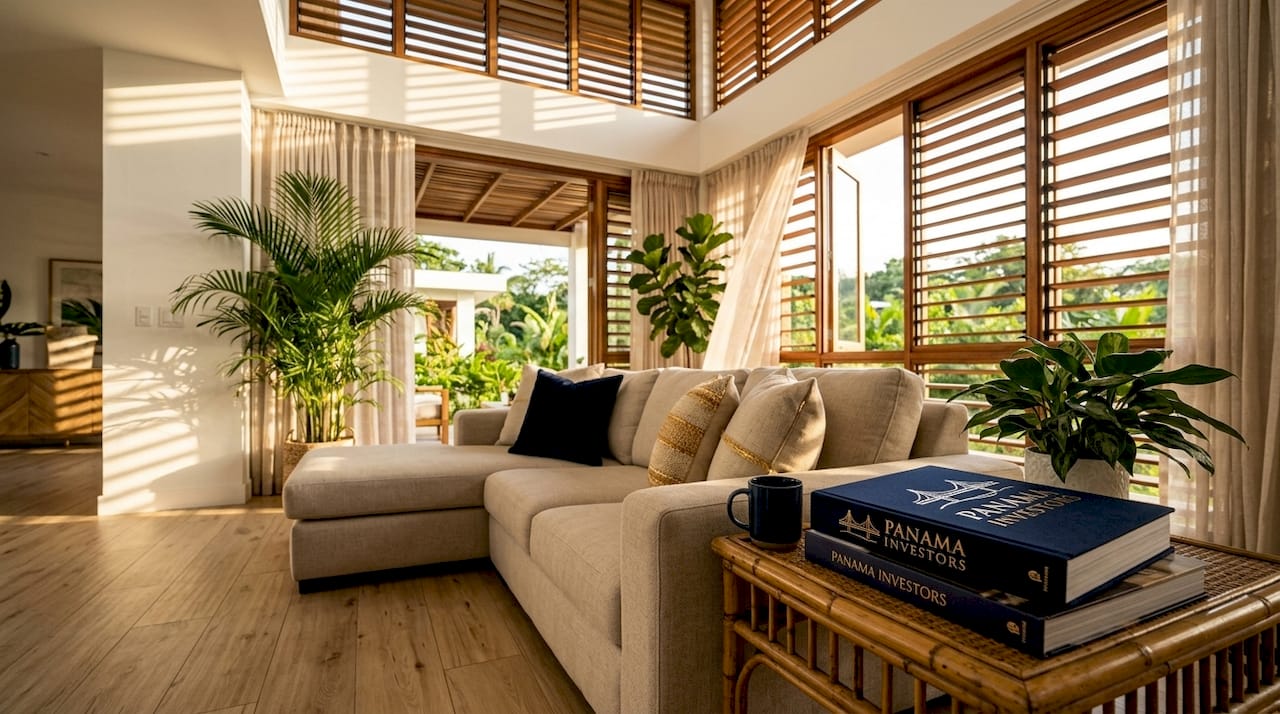
Interior layout decisions in a Panama vacation home should prioritize airflow and natural light above all other aesthetic considerations. Open-plan living areas with high ceilings allow heat to rise and dissipate, while large operable windows on opposing walls create the cross-ventilation that makes a home feel cool without running air conditioning constantly. This is not just a comfort preference. It directly reduces your monthly utility costs.
For cooling, the combination of ceiling fans and inverter air conditioning units delivers the best results. Inverter AC units, quality lighting, and fresh paint rank as high-impact upgrades for Panama properties, improving both comfort and rental appeal. Inverter units adjust their output to match demand rather than cycling on and off at full power, which cuts electricity consumption significantly compared to standard fixed-speed units.
Exterior features deserve equal attention when designing Panama retreats. Consider these additions:
- Covered patios and verandas: Extend your usable living space into the outdoors while protecting against the afternoon rains that arrive almost daily during the wet season.
- Screened porches: Allow you to enjoy the breeze without the insects, which are a real factor in coastal and jungle-adjacent locations.
- Deep roof overhangs: Shade windows and walls from direct sun, reducing heat gain and protecting exterior finishes from rain erosion.
- Exterior shading with bamboo or wood slat panels: Add a local aesthetic touch while cutting solar heat gain through west-facing windows.
- Durable window treatments: Aluminum shutters or impact-resistant louvered panels handle both storm conditions and daily sun exposure better than fabric curtains alone.
Stylistically, the most successful Panama vacation homes draw from the country’s coastal and indigenous design traditions. Natural stone accents, terracotta tile floors, and woven fiber textiles reference local culture without looking like a generic tropical resort. Panamainvestors notes that beachfront property ownership carries specific design opportunities tied to the coastal setting, including outdoor shower stations, saltwater-resistant hardware, and direct indoor-outdoor flow.
What maintenance strategies protect your customized Panama vacation home?
Preventive maintenance outperforms reactive repairs in Panama’s climate by a wide margin. Routine inspections detect micro-leaks before they become structural problems, saving costs that can multiply quickly once water infiltrates walls or flooring. The trap most absentee owners fall into is waiting for visible damage before acting, at which point the repair bill is already several times higher than the inspection would have cost.
Follow this numbered maintenance workflow to stay ahead of tropical wear:
- Inspect hidden moisture zones monthly. Under sinks, behind appliances, and closet corners are where moisture problems start silently. Check for discoloration, soft surfaces, or musty odors.
- Clean gutters and check roof drainage before and after the wet season. Blocked gutters force water back under roof edges, which is one of the most common causes of ceiling damage in Panama homes.
- Recaulk and replace weatherstripping around windows and doors annually. Sealants and weatherstripping around openings prevent moisture ingress and improve energy efficiency. The material degrades faster in tropical UV and heat than in temperate climates.
- Inspect and treat exterior wood surfaces twice a year. Even treated wood needs a fresh coat of sealant or stain every six to twelve months in Panama’s conditions.
- Check HVAC filters and drain lines monthly. Air conditioning drain lines clog with algae in humid climates, causing water to back up into walls or ceilings.
- Schedule a professional structural inspection annually. A licensed inspector will catch foundation settling, rebar corrosion in concrete, and roof membrane issues that are invisible to the untrained eye.
For absentee owners, property management services that provide digital inspection reports and scheduled maintenance visits are worth the cost. Efficient property management strategies built around preventive workflows consistently outperform reactive approaches in humid climates. Remote humidity sensors that send alerts when indoor moisture levels spike give you early warning even when you are not on-site.
Pro Tip: Build maintenance access panels into your design during construction or renovation. Placing removable panels behind plumbing walls and above ceiling fixtures turns a two-hour destructive repair into a fifteen-minute inspection. This is standard practice in commercial construction but rarely done in residential builds.
How to integrate smart technology and sustainability into your Panama home
Smart home technology and sustainable systems are no longer luxury additions in Panama vacation homes. They are practical tools that reduce operating costs and protect the property between visits. Humidity sensors and solar panels optimize comfort and cut long-term utility costs, two outcomes that matter whether you are using the home personally or renting it out.
Here is a comparison of the most relevant technology and sustainability options for Panama properties:
| Feature | Primary benefit | Best suited for |
|---|---|---|
| Humidity and temperature sensors | Early moisture alerts, air quality control | Absentee owners, rental properties |
| Inverter AC with smart thermostat | Energy savings, remote control | All property types |
| Solar panel system | Utility independence, lower electricity bills | Properties with high sun exposure |
| Rainwater harvesting system | Reduced water costs, irrigation supply | Rural and coastal properties |
| Smart irrigation controller | Prevents overwatering, adapts to rainfall | Properties with landscaped gardens |
| Remote security cameras | Real-time monitoring between visits | Absentee and rental owners |
Sustainability choices also extend to materials and landscaping. Native tropical plants require far less irrigation than imported ornamental species and support local biodiversity. Recycled composite decking performs better than new hardwood in coastal conditions and carries no deforestation footprint. Choosing locally sourced stone and tile over imported materials reduces shipping costs and supports regional suppliers.
The combination of solar power and a rainwater harvesting system can make a Panama vacation home largely independent of municipal utilities, which is a real advantage in rural coastal areas where service interruptions are common. The upfront cost of a solar installation in Panama has dropped considerably over the past decade, and the return on investment through reduced electricity bills is measurable within a few years.
Key takeaways
Customizing a Panama vacation home requires climate-first thinking: moisture control, durable materials, and preventive maintenance form the foundation that every design and technology decision should build on.
| Point | Details |
|---|---|
| Humidity drives every decision | Panama’s 80%+ humidity makes moisture-resistant materials and ventilation non-negotiable from day one. |
| Material choice determines durability | Concrete block, sealed surfaces, and galvanized hardware outperform untreated wood and standard steel. |
| Preventive maintenance saves money | Scheduled inspections and recaulking cost far less than repairing structural water damage after the fact. |
| Smart tech protects absentee properties | Humidity sensors and remote cameras give owners real-time visibility when they are not on-site. |
| Sustainability pays off | Solar panels and rainwater harvesting reduce operating costs and provide utility independence in coastal areas. |
What I have learned about customizing Panama vacation homes
After working with dozens of property owners across Panama’s Pacific and Caribbean coasts, the pattern I see most often is this: buyers invest heavily in aesthetics and almost nothing in moisture management, then spend the next two years fixing problems that were entirely predictable.
The most impactful single decision you can make is treating ventilation as a structural feature, not an afterthought. I have seen beautifully designed homes with imported Italian tile and custom cabinetry develop black mold behind the walls within eighteen months because the builder sealed the structure too tightly without accounting for Panama’s humidity. The fix cost more than the original cabinetry.
The second lesson is that absentee ownership without a maintenance plan is genuinely risky in this climate. A property left unmonitored for three months during the wet season can accumulate damage that takes a year of rental income to repair. The owners who do best are the ones who treat maintenance as a fixed operating cost, not an optional expense.
What surprises most people is how affordable good customization actually is when you plan it from the start. Choosing concrete block over wood framing, installing a humidity sensor network, and hiring a local property manager adds a modest amount to your initial budget. It saves multiples of that figure over a ten-year ownership horizon. The math is not complicated. The discipline to act on it before problems appear is what separates successful Panama property owners from frustrated ones.
— Roie
Ready to customize your Panama vacation home the right way?
Panamainvestors works with international buyers and property owners at every stage of the Panama real estate process, from acquisition through customization and long-term management. Luca Piva and the Panamainvestors team bring over 12 years of on-the-ground experience in Panama’s market, with direct knowledge of which materials, contractors, and design approaches perform in the country’s specific climate conditions.

Whether you are planning a full renovation of an existing property or customizing a new purchase from the ground up, getting local expert input before you commit to a design or contractor saves significant time and money. Reach out directly through the Panamainvestors contact page to schedule a strategy call and get guidance tailored to your property’s location, budget, and goals.
FAQ
What materials work best for Panama vacation homes?
Concrete block construction with sealed surfaces, ceramic or porcelain tile flooring, and galvanized or stainless steel hardware perform best in Panama’s high-humidity climate. Untreated wood and standard steel deteriorate quickly and should be avoided for structural or exterior applications.
How often should you inspect a Panama vacation home?
Monthly checks of hidden moisture zones and HVAC systems are the minimum, with a full professional inspection at least once a year. Absentee owners benefit from property management services that provide scheduled inspections and digital reports between visits.
Do solar panels make sense for Panama vacation homes?
Solar panels are a practical investment for Panama properties, particularly in coastal and rural areas where electricity costs are high and service interruptions occur. The return on investment through reduced utility bills is typically measurable within a few years of installation.
What is the biggest customization mistake in Panama homes?
Prioritizing aesthetics over moisture management is the most common and costly error. Sealing a home too tightly without adequate ventilation traps humidity inside, leading to mold growth behind walls and under floors within one to two rainy seasons.
How do you maintain a Panama vacation home remotely?
Smart humidity and temperature sensors paired with remote security cameras give absentee owners real-time monitoring capability. Combining this technology with a local property management service that follows a preventive maintenance workflow is the most reliable approach for protecting a property between visits.
