Best neighborhoods in Panama City for luxury living
Best neighborhoods in Panama City for luxury living
- Panama Investors
- May 10
- 10 min read
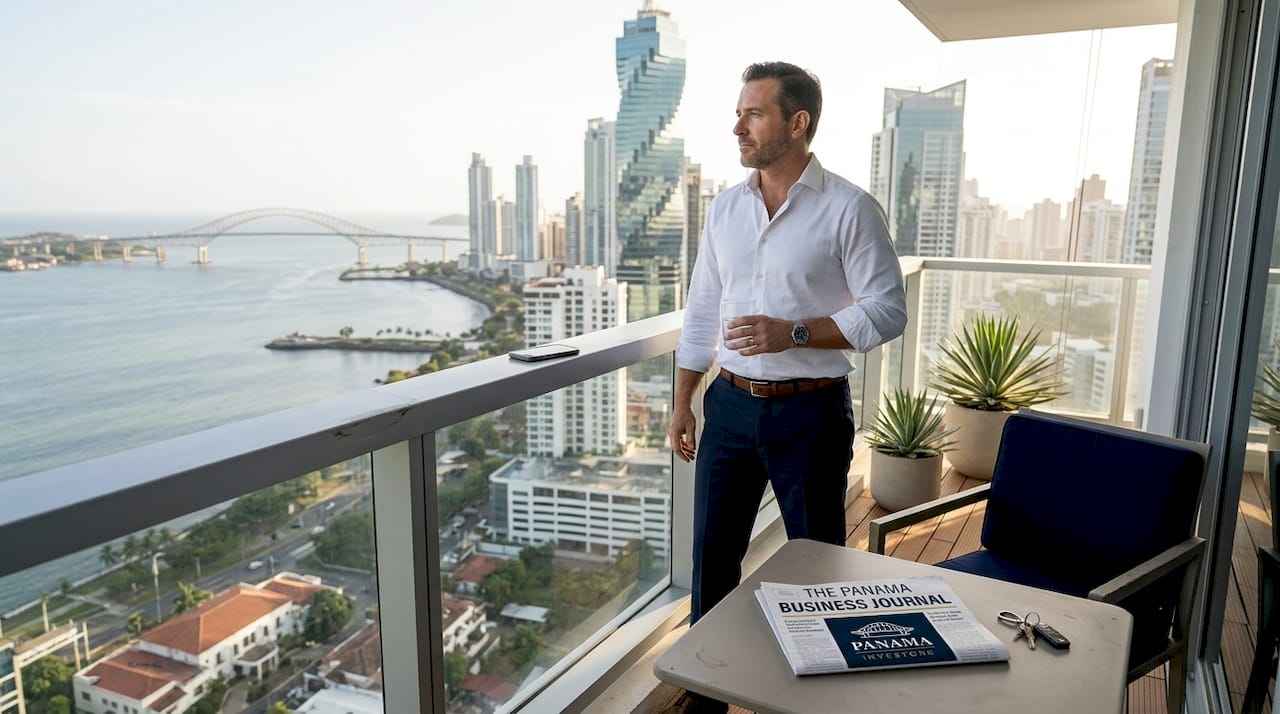
Panama City presents one of the most compelling real estate opportunities in Latin America, but the challenge isn’t deciding whether to buy — it’s knowing exactly where. With more than a dozen distinct neighborhoods competing for your attention, each offering its own cocktail of lifestyle benefits, rental income potential, and long-term appreciation, the decision carries real financial weight. Pick the right district and you’re positioned for strong capital growth and an exceptional daily life. Pick the wrong one and you’re chasing yields that never materialize. This guide cuts through the noise with a clear framework for evaluating Panama City’s best neighborhoods and matching them to your priorities.
Table of Contents
Key Takeaways
Point | Details |
Diverse neighborhoods | Panama City offers luxury living and investment opportunities, each neighborhood with a unique appeal. |
Yield-driven choices | Rental yields range from 4.5-7.5%, with Costa del Este and Punta Pacífica leading for income and prestige. |
Community matters | El Cangrejo and Clayton stand out for expat-friendly communities and walkable lifestyle. |
Tourism returns | Casco Viejo combines strong tourism income with historic charm but varies block by block. |
Future-proof investment | Consider pre-construction and infrastructure plans for appreciation and value resilience. |
How to evaluate Panama City’s neighborhoods
Now that you’ve seen why picking the right area is so important, let’s lay out the key criteria that should shape your search.
Evaluating a Panama City neighborhood is not just about finding a nice view or a prestigious address. High-net-worth buyers and experienced expats know the real game is aligning lifestyle preferences with asset performance — and that requires a structured approach.
Here are the criteria that matter most for premium buyers:
Safety and security: Gated communities, 24-hour surveillance, and proximity to international schools are non-negotiable for families and executives.
Appreciation potential: Track record of price-per-square-meter growth over at least five years, plus upcoming infrastructure projects that signal future demand.
Rental yield and occupancy: Short-term furnished rentals in expat-heavy zones outperform. Long-term leases in established neighborhoods provide stability.
Community vibe: Some neighborhoods attract a local prestige crowd; others are built around international communities with English-speaking services.
Walkability and convenience: Proximity to grocery stores, restaurants, international hospitals, and green space directly affects both quality of life and tenant retention.
The lifestyle versus investment tension is real. A neighborhood like Casco Viejo offers creative energy and tourism-driven rental income, but it demands active management and tolerance for block-by-block quality variance. Costa del Este delivers premium safety and convenience at higher entry prices. Knowing your priorities before you tour properties saves you months of confusion.
Expat-friendly neighborhoods tend to cluster around established international schools, English-language services, and walkable urban amenities. Local-preferred areas prioritize status, gated security, and proximity to Panama City’s business core. Both can deliver strong returns — but through different mechanisms.
Pro Tip: Use rental yield benchmarks as your financial filter before falling in love with a property. Panama City yields 4.5 to 7.5%, driven by roughly 10% annual expat population growth that keeps rental demand consistently strong. If a neighborhood or unit can’t realistically hit 5%, scrutinize why. Also review Panama’s premium investment districts for a broader view of where capital is flowing citywide.
The top 5 neighborhoods for luxury and investment
With your strategy framework set, let’s tour the top neighborhoods — and see what makes each uniquely attractive.
Panama City’s premium real estate scene is anchored by five core areas, each with a distinct personality and investor profile. Understanding what differentiates them is the fastest way to narrow your shortlist.
Costa del Este
This planned urban district east of downtown is Panama’s equivalent of a master-planned executive suburb. Wide boulevards, manicured parks, and high-rise towers with full amenity packages draw business travelers, diplomats, and upper-middle-class Panamanian families. Safety ratings here are among the highest in the city. Pre-construction units regularly sell at aggressive premiums because developers know the demand base is sticky.
Pros: Top-tier safety, consistent demand, strong appreciation history, excellent infrastructure. Cons: Higher entry price per square meter, less walkable than urban core neighborhoods, somewhat corporate atmosphere.
Punta Pacífica
A peninsula jutting into the Bay of Panama, Punta Pacífica is home to the Johns Hopkins Medicine International hospital and some of the city’s most iconic towers, including the Trump Ocean Club. It combines status-driven buying with genuine lifestyle utility. The neighborhood’s medical infrastructure makes it especially popular with retirees and health-conscious buyers. The waterfront views command premiums, and vacancy rates for furnished units remain low.

Pros: Iconic address, ocean views, world-class medical access, high tenant quality. Cons: Dense high-rise environment, limited green space, premium pricing leaves less margin for value-add plays.
El Cangrejo
If walkability and community are your priorities, El Cangrejo is the expat heartland of Panama City. Restaurants, coffee shops, small grocery stores, language schools, and a distinctly cosmopolitan energy make this neighborhood feel more like Barcelona than Central America. It’s particularly popular with younger professionals, digital nomads, and expats who want city life without depending on a car.
Pros: Excellent walkability, vibrant social scene, more affordable entry prices, strong short-term rental demand. Cons: Older building stock, less polished aesthetics than Costa del Este, noise levels in commercial zones.
Clayton
Originally a U.S. military base, Clayton has evolved into one of Panama City’s most livable and genuinely green neighborhoods. Wide tree-lined streets, the City of Knowledge research campus, and low-density housing give it an atmosphere unlike anywhere else in the city. Families with children and executives seeking quiet suburban comfort consistently rate it highly. The neighborhood attracts a loyal expat community that values space and greenery over urban buzz.
Pros: Exceptional green space, family-friendly atmosphere, quiet streets, strong expat community cohesion. Cons: Car-dependent, limited nightlife and dining options within the neighborhood itself, slightly lower yields compared to denser urban zones.
Casco Viejo
Panama’s UNESCO-listed colonial district is the city’s most visually dramatic neighborhood. Boutique hotels, rooftop bars, art galleries, and beautifully restored colonial mansions sit alongside properties that haven’t seen investment in decades. Locals prefer Costa del Este and Punta Pacífica for prestige and safety, while expats gravitate toward El Cangrejo and Clayton for walkability and community. Casco Viejo, however, earns its place through tourism income potential and heritage property appreciation — provided you buy on the right block.
“Casco Viejo is a neighborhood where two properties on the same street can perform completely differently. One faces a restored plaza and earns premium Airbnb rates year-round. The other faces a neglected block and struggles to find tenants. Block-by-block due diligence isn’t optional here — it’s everything.”
Pros: Heritage property upside, tourism-driven short-term rental income, cultural prestige, architectural uniqueness. Cons: High variance by exact location, renovation costs can escalate, requires active asset management.
For buyers who want a deeper breakdown of each district, the detailed neighborhood guide covers street-level nuances that generic listings never mention. Foreign buyers specifically should also review the rules and opportunities outlined for buying as a foreign investor before committing to any district.
Pro Tip: Insider pick for overlooked value — the fringes of Costa del Este adjacent to Santa Maria Golf Club are quietly appreciating faster than the established core. Early movers in this micro-zone are locking in appreciation before full infrastructure completion.
At-a-glance comparison: Investment returns and lifestyle features
To make these insights actionable, here’s an at-a-glance comparison to help you prioritize what matters most.
The table below synthesizes the key financial and lifestyle metrics for each top neighborhood. Use it as a quick-reference filter, not as a final answer — your ideal choice depends on how you weight each column.
Neighborhood | Typical rental yield | Price growth trend | Safety rating | Expat popularity | Walkability |
Costa del Este | 5.0 – 6.5% | Strong | Excellent | High | Moderate |
Punta Pacífica | 5.5 – 7.0% | Strong | Excellent | High | Moderate |
El Cangrejo | 5.0 – 7.5% | Moderate | Good | Very High | Excellent |
Clayton | 4.5 – 5.5% | Moderate | Very Good | High | Low |
Casco Viejo | 6.0 – 7.5%* | Variable | Good | Moderate | High |
*Casco Viejo yields are heavily location-dependent within the district.
A few numbers worth noting: Panama City’s city-wide yield range of 4.5 to 7.5% is competitive when stacked against comparable markets in Colombia, Costa Rica, or Mexico. The upper end of that range is achievable in Punta Pacífica and El Cangrejo with well-positioned furnished units targeting the corporate relocation and short-term expat market. Casco Viejo can exceed 7.5% on the right property, but the variance means you need verified occupancy data before relying on those projections.
The rental demand by area analysis shows that expat growth is the primary demand driver across nearly all premium zones. As long as Panama’s economy continues attracting international business and the Friendly Nations Visa program remains accessible, that demand pipeline stays healthy.
Cost trade-offs are real. Entry prices in Punta Pacífica and Costa del Este are typically 20 to 35% higher per square meter than El Cangrejo, which means your capital is doing different work in each neighborhood. Higher entry price means lower yield percentage but potentially stronger absolute appreciation. Lower entry price in El Cangrejo means better yield percentages and faster cash-on-cash recovery.
Which neighborhood is right for you?
Now, use this summary to pinpoint exactly which neighborhood aligns with your priorities.
The best neighborhood is the one that matches your specific situation — not the one topping a generic ranking list. Here are scenario-based picks for the most common buyer profiles:
Best for families: Clayton is the clear winner. Its green streets, top international schools nearby, and quiet residential character create an environment where children thrive and parents feel secure. The trade-off in yield is worth it for the quality of family life.
Best for the lock-and-leave investor: Costa del Este offers the lowest-maintenance investment profile. Professional property management is well-established, tenant quality is high, and the neighborhood’s corporate ecosystem keeps vacancy low even when you’re not paying close attention.
Best for maximum rental ROI: El Cangrejo or Punta Pacífica, depending on budget. El Cangrejo delivers high yields at lower entry prices through short-term expat rentals. Punta Pacífica justifies its premium with iconic address appeal and corporate tenant demand.
Best for long-term appreciation play: Pre-construction in Costa del Este remains one of the strongest appreciation bets in the city. Buying before a tower completes and holding through occupancy typically yields 15 to 25% in paper appreciation, according to experienced local agents tracking the market.
Best for the lifestyle-first buyer: Casco Viejo, without question. If you want to live in the most visually striking, culturally rich, and socially vibrant part of the city, no other neighborhood competes. Just buy on a restored block and budget for character upkeep.
Locals consistently prefer Costa del Este and Punta Pacífica for their status signaling and safety standards. Expats tend to care less about prestige and more about how a neighborhood feels to walk through on a Tuesday morning. Both are valid value systems — and understanding which one you share will make your decision much clearer.
For buyers focused on long-term asset performance, the condo investment growth data across Panama City shows condos in established districts outperforming single-family homes on a yield-adjusted basis in nearly every measured period since 2015.
Our take: Rethinking Panama’s “best” for long-term success
Conventional neighborhood rankings give you a starting point. They rarely give you an edge.
After years of navigating Panama City’s luxury property market, one pattern stands out clearly: buyers who follow generic “top neighborhood” lists often overpay for brand-name districts and miss the real opportunities hiding in adjacent micro-zones and emerging streets. The difference between a 5.5% yield and a 7.2% yield on the same budget frequently comes down to block selection within a neighborhood, not the neighborhood itself.
What most lists miss is the infrastructure angle. A street that currently feels slightly underdeveloped may sit directly in the path of a planned metro extension, a hotel development, or a public space upgrade. Buyers who track Panama’s urban planning pipeline and cross-reference it with current pricing find opportunities that never appear on popular listings platforms.
Here’s a perspective most buyers don’t hear: mixing status with ROI actually creates resilience. A property in Punta Pacífica carries both genuine demand drivers. It attracts quality tenants because of its prestige address, generates solid yields because of healthcare infrastructure, and holds value during downturns because of limited land supply. That combination is more durable than chasing pure yield in an area with no lifestyle pull.
The contrarian play worth serious consideration is overlooked fringe districts adjacent to established luxury zones. Buyers who entered the edges of Costa del Este and Santa Maria five years ago are now sitting on appreciation that core-district buyers are still waiting to match. The same pattern is beginning to appear in certain blocks adjacent to Clayton’s established core.
The bottom line is that “best neighborhood” is a shortcut question. The real question is: best for what specific combination of income, appreciation, lifestyle, and management tolerance? The full international buyer guide addresses exactly that layered decision process for buyers who want to move from interest to informed action.
Ready to take the next step in Panama City?
Armed with deep local insight, you can now act decisively — but you don’t have to do it alone.
Understanding the neighborhoods is step one. Executing the right purchase, at the right price, on the right terms, in the right block, requires local knowledge that no article can fully replace. That’s where experienced, on-the-ground guidance becomes the difference between a good deal and a great one.
At Panama Investors, we work exclusively with international buyers and expats navigating exactly the decisions this article covers. Luca Piva brings over 12 years of hands-on Panama real estate experience, a deep network of exclusive listings, and a track record of helping buyers avoid costly mistakes while securing properties with genuine upside. Whether you’re narrowing down to one neighborhood or ready to make an offer, the smartest next step is a direct conversation. Speak to a Panama advisor today and get a personalized strategy session built around your goals, your budget, and your timeline.
Frequently asked questions
Which Panama City neighborhood has the highest rental yields?
Costa del Este and Punta Pacífica consistently perform well, with city averages between 4.5 and 7.5%, and top-positioned furnished units in Punta Pacífica frequently hitting the upper end of that range.
Where do most expatriates prefer to live in Panama City?
Expats favor El Cangrejo and Clayton for their walkability, community cohesion, and English-friendly services, making both neighborhoods strong performers for furnished expat-targeted rentals.
What is special about Casco Viejo for investors?
Casco Viejo offers tourism-driven rental potential and unique heritage property appreciation, but returns vary significantly by block, making precise location selection more critical here than in any other district.
Is it better to buy new or pre-construction in Panama City?
Pre-construction in Costa del Este is widely regarded as one of the strongest appreciation strategies, allowing buyers to lock in today’s pricing and benefit from capital growth before the building reaches full occupancy.
Recommended
