
What Is an Expat-Friendly Property? Your 2026 Guide
What Is an Expat-Friendly Property? Your 2026 Guide
An expat-friendly property is a fully equipped, conveniently located residence designed to simplify international relocation by offering furnished interiors, all-inclusive utilities, flexible lease terms, and proximity to international amenities. Unlike standard rentals, these properties are built around the practical realities of living abroad: you arrive, and everything works. Providers like 348 Suites have made this model mainstream, offering short to long-term stays with bilingual staff, modern finishes, and bundled services that eliminate the friction of setting up a home in a foreign country. For anyone relocating abroad, understanding what separates a genuinely expat-friendly property from a regular apartment is the difference between a smooth transition and a stressful one.
What is an expat-friendly property, exactly?
An expat-friendly property, known in real estate circles as a serviced or furnished expatriate residence, is defined by a specific cluster of features that address the unique challenges of international relocation. The industry term “serviced apartment” covers much of this category, but expat-friendly properties go further by integrating location strategy, legal flexibility, and lifestyle support into a single offering.
The core features that define these properties include:
- Fully furnished interiors with modern appliances, including dishwashers, washer/dryer units, and large refrigerators suited to Western household standards. In markets like Tokyo, expat housing amenities such as multiple bathrooms and spacious layouts are deliberately included because local properties rarely offer them.
- All-inclusive utility bundles covering electricity, heating, high-speed internet, and weekly cleaning services. This single-bill model removes the administrative burden of setting up accounts in a language you may not speak.
- Strategic location near international business districts, embassies, international schools, and established expat communities. A property in Panama City’s Punta Pacífica neighborhood, for example, places residents within minutes of major hospitals, the financial district, and international schools.
- Flexible lease terms ranging from one month to multi-year agreements, accommodating the unpredictable timelines of corporate assignments, visa processing, and family transitions.
- Bilingual support staff and property management, which is not a luxury but a functional necessity when lease disputes, maintenance emergencies, or utility issues arise.
Pro Tip: Before signing any lease, ask the property manager for a written breakdown of exactly what the utility bundle covers. “All-inclusive” means different things in different markets, and a surprise electricity bill in month two can derail your budget.
The distinction matters because a furnished apartment listed on a general platform is not automatically expat-friendly. True expat-friendly rentals are purpose-built or purpose-managed to serve people who are unfamiliar with local systems, laws, and language. That operational layer is what you are paying for.
How does expat-owned property management differ from standard management?
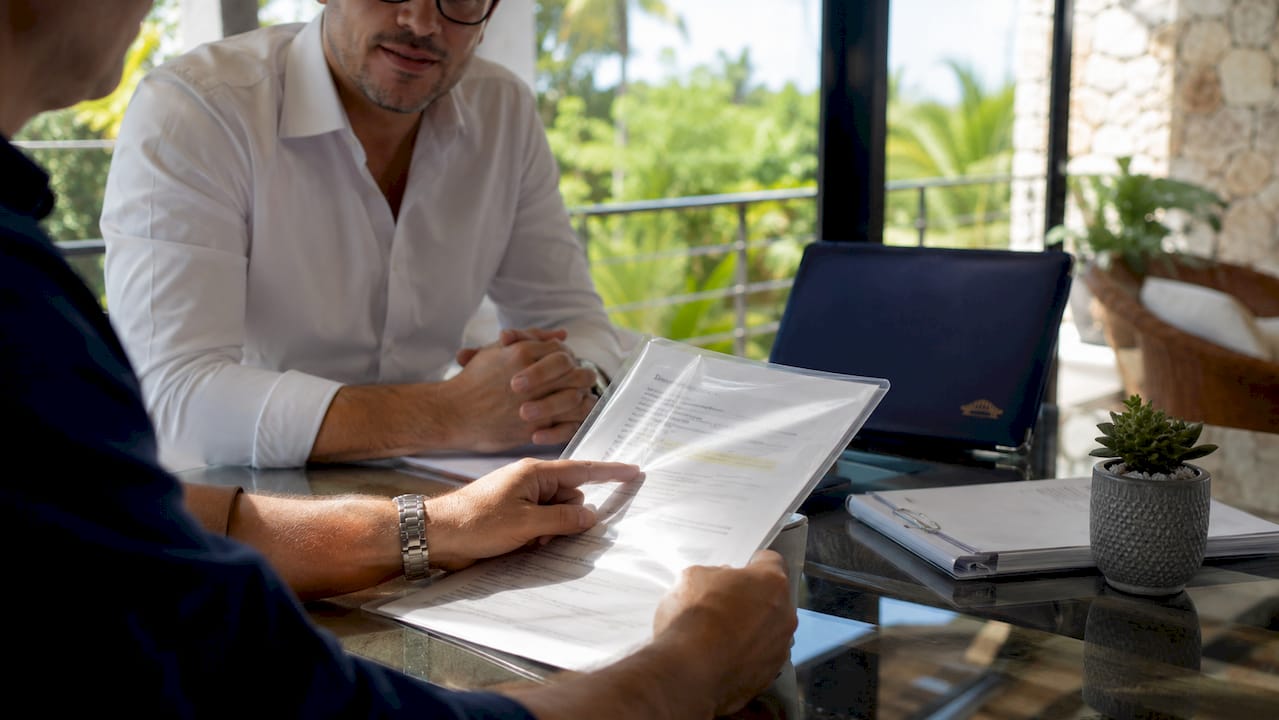
Expat-owned property management, or more precisely, property management designed for absentee foreign owners, operates on a fundamentally different model than domestic landlord management. The core difference is that the owner is not present to handle problems, which means the management firm carries full operational responsibility.
Full-service expat property management typically includes tenant sourcing, background checks, rent collection, maintenance coordination, and legal compliance. Management fees for full-service oversight run between 8% and 12% of monthly rent. Short-term rental platforms charge significantly more, between 15% and 25%, in exchange for higher nightly rates and marketing reach. The right model depends on your target tenant and your tolerance for vacancy risk.
| Management model | Typical fee | Best for |
|---|---|---|
| Full-service long-term | 8%–12% of monthly rent | Absentee owners seeking stable income |
| Short-term rental platform | 15%–25% per booking | Owners prioritizing maximum nightly rate |
| Self-management | 0% fee, high time cost | Local owners with language skills and availability |
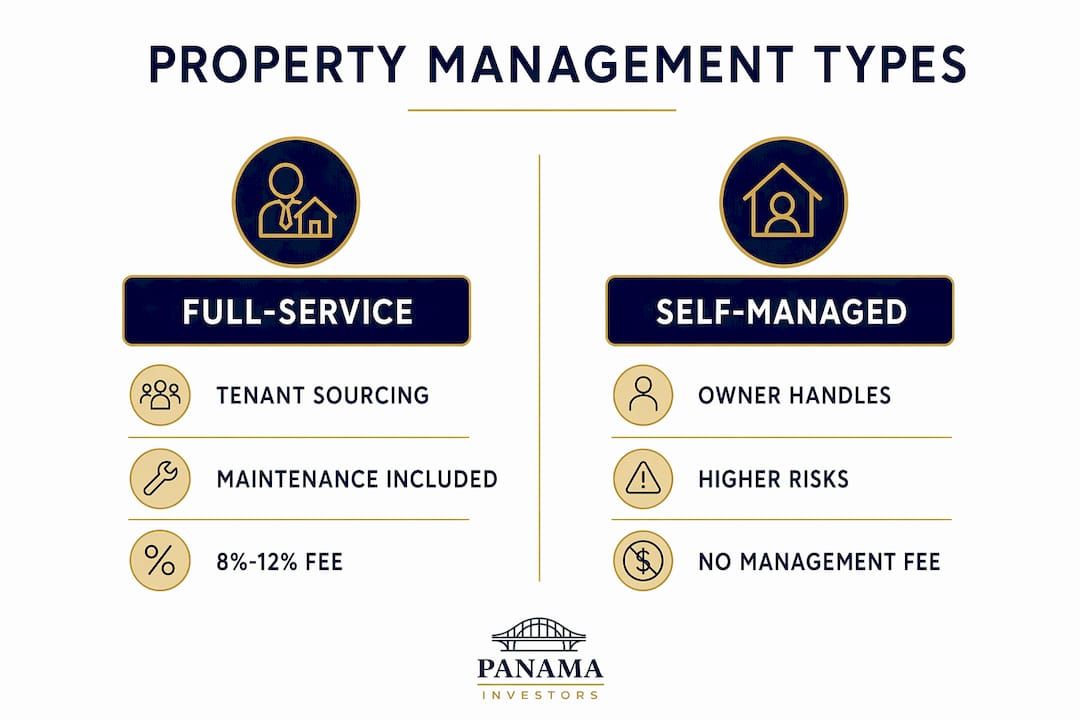
Self-managing a property from abroad consistently leads to neglected maintenance, compliance failures, and reduced tenant retention. These are not minor inconveniences. A leaking roof ignored for three weeks because of a time zone gap can result in structural damage, legal liability, and a tenant who leaves and leaves a damaging review. Property management is a value-protection tool, not an optional add-on.
Local bilingual professionals reduce operational risk significantly by handling tenant relations, navigating local rental law, and communicating in both the owner’s language and the tenant’s language. Their involvement directly improves tenant satisfaction and long-term returns. For expat owners in Panama, working with bilingual realtors in Panama is the single most effective way to protect an investment managed from overseas.
Pro Tip: When interviewing property management firms, ask specifically how they handle maintenance emergencies outside business hours. A firm without a 24/7 response protocol is not equipped for expat property management.
Should you rent or buy an expat-friendly property?
The rent-versus-buy decision for expatriates is not primarily a financial calculation. It is a duration calculation. Renting suits relocations of one to two years because it offers flexibility, lower upfront cost, and a quick move-in timeline. Buying makes financial sense only when you commit to a five-plus year horizon, because the transaction costs of purchasing abroad are substantial.
Here is how to think through the decision systematically:
- Assess your timeline honestly. Corporate assignments get cut short. Visas get complicated. If you cannot commit to five or more years with confidence, renting is the lower-risk path.
- Calculate total purchase costs, not just the listing price. Buying property abroad requires budgeting for due diligence, legal fees, transfer taxes, and transaction costs that can reach 15% or more of the purchase price. In Panama, buyers typically budget 2% to 4% in closing costs, which is lower than many markets but still significant.
- Understand ownership laws in your target country. Foreigners can own land outright in countries like Portugal, Colombia, and Panama. Other markets offer only leasehold arrangements or require local legal structures to hold title. Overseas property ownership rules vary widely and directly affect your exit options.
- Factor in tax obligations on both ends. Owning property abroad can trigger tax reporting requirements in your home country, rental income taxes in the host country, and capital gains exposure on sale. Get tax advice before you sign anything.
- Consider the equity-building argument carefully. Buying builds equity, but only if the market appreciates and you hold long enough to recover transaction costs. Panama’s dollarized economy and consistent appreciation make it a stronger case for buying than many emerging markets, but the principle applies everywhere: short holds rarely generate net gains after costs.
For expats who want to test a market before committing, renting an expat-friendly property in the target neighborhood for six to twelve months is the most reliable way to evaluate whether buying there makes sense. You learn the commute, the neighbors, the noise, and the management quality before locking in capital.
How to find and secure an expat-friendly property
Finding a genuinely expat-friendly rental in a competitive market requires preparation that most first-time relocators underestimate. In cities like Amsterdam and Bangkok, starting your property search two to three months ahead of your move date is not cautious. It is the minimum required to have real options.
The practical steps that separate successful expat property searches from frustrating ones:
- Prepare your documentation package before you start viewing. Most landlords in competitive markets require an employment contract, proof of income for the past three months, a valid passport, and sometimes a reference letter from a previous landlord. Having these ready in a single PDF speeds up applications dramatically.
- Work with a bilingual realtor who specializes in expat clients. A local agent knows which buildings have expat-friendly management, which landlords are flexible on lease terms, and which neighborhoods have the infrastructure you actually need. The role of local agents for international buyers is not just translation. It is market intelligence.
- Read the lease in full, ideally with legal review. Lease terms in foreign markets often include clauses that are unusual by home-country standards, such as restrictions on subletting, mandatory notice periods of three to six months, or landlord entry rights that differ from what you expect.
- Evaluate the neighborhood for expat infrastructure, not just aesthetics. Proximity to international schools, Western-style grocery stores, reliable public transit, and a visible expat community matters more than a beautiful view when you are living there daily.
- Verify what “furnished” actually means. In some markets, furnished means a bed and a table. In others, it means a fully equipped kitchen, linens, and a smart TV. Get an itemized inventory before you commit.
The expat real estate market rewards preparation and penalizes hesitation. In tight markets, good properties at fair prices are gone within days of listing.
Key takeaways
An expat-friendly property is defined by furnished interiors, bundled utilities, bilingual management, flexible leases, and location near international infrastructure. These features together determine whether a property genuinely supports expatriate life or simply markets itself as doing so.
| Point | Details |
|---|---|
| Definition is specific | Expat-friendly means furnished, all-inclusive, bilingual support, and flexible leases. Not just “furnished.” |
| Management model matters | Full-service management at 8%–12% protects absentee owners; self-management from abroad creates serious risk. |
| Rent first, buy later | Renting suits stays under two years; buying only makes financial sense with a five-plus year commitment. |
| Prepare documents early | Employment contract, income proof, and valid ID must be ready before you start viewing in competitive markets. |
| Local professionals are non-negotiable | Bilingual realtors and property managers reduce legal, operational, and financial risk for expats. |
What I’ve learned after years of watching expats get this wrong
Most expats I speak with approach property the same way they approach a hotel booking: they search online, filter by price and photos, and make a decision based on what they see. That approach works for a weekend trip. It fails for a two-year relocation.
The properties that look best in photos are often the ones with the weakest management behind them. A beautifully staged apartment with an unresponsive landlord and no bilingual support is a liability, not an asset. I have seen expats spend their first three months in a new country dealing with maintenance issues, billing disputes, and lease misunderstandings that a competent local property manager would have resolved in a single phone call.
The other mistake I see constantly is buying too fast. Someone arrives in a new city, falls in love with a neighborhood in the first two weeks, and puts in an offer before they have experienced a single rainy season, a single traffic pattern, or a single interaction with the building management. The five-plus year rule for buying is not arbitrary. It reflects the reality that transaction costs are high and markets take time to reveal their true character.
Panama is a market where the fundamentals genuinely favor buying for the right buyer: a dollarized economy, no capital gains tax on primary residences, and consistent appreciation in established neighborhoods. But even here, I recommend renting in your target area for at least six months before committing capital. The expats who do this make better purchases. The ones who skip it often end up in the wrong neighborhood with a property that is harder to exit than they expected.
The most important thing you can do before securing any expat-friendly property is to get a local professional on your side before you start looking, not after you have already fallen in love with a listing.
— Roie
How Panamainvestors can help you find the right property
Panama stands out as one of the most expat-accessible real estate markets in the world, with full foreign ownership rights, a dollarized economy, and a growing inventory of properties built specifically for international residents.
Panamainvestors, led by Luca Piva with over 12 years of on-the-ground experience, gives you direct access to exclusive Panama listings that never reach public platforms, along with bilingual guidance through every step of the search, negotiation, and purchase process. Whether you are evaluating expat-friendly rentals before committing to a purchase or ready to buy in an established expat neighborhood, the team provides the local expertise and legal support that makes the difference between a confident decision and a costly mistake. Book a personalized consultation to get a strategy built around your timeline, budget, and lifestyle goals.
FAQ
What makes a property expat-friendly?
An expat-friendly property is defined by furnished interiors, all-inclusive utilities, flexible lease terms, bilingual staff support, and location near international schools, embassies, and business districts. These features together remove the logistical barriers of setting up a home in a foreign country.
How much does expat property management cost?
Full-service property management for expat owners typically costs between 8% and 12% of monthly rent, covering tenant sourcing, maintenance, and legal compliance. Short-term rental platforms charge 15% to 25% per booking in exchange for higher nightly rates.
Is it better to rent or buy as an expat?
Renting is the better choice for relocations under two years because it offers flexibility and lower upfront costs. Buying makes financial sense only with a five-plus year commitment, since transaction costs abroad can reach 15% or more of the purchase price.
Can foreigners own property outright in Panama?
Yes. Panama grants foreigners the same property ownership rights as citizens, with no restrictions on land or residential ownership. This, combined with a dollarized economy and favorable tax laws, makes Panama one of the most accessible markets for expat real estate investment.
How far in advance should I search for an expat-friendly rental?
Start your search two to three months before your move date, particularly in competitive urban markets. Prepare your full documentation package, including employment contract and proof of income, before you begin viewing properties.
