Choose the neighborhood before the floor plan
Panama City is a collection of distinct micro-markets. Santa María is a private master-planned community centered on golf and newer luxury residences. Costa del Este combines modern towers, corporate demand and broad services. Coco del Mar and San Francisco provide a more neighborhood-oriented urban feel, while Avenida Balboa and Punta Pacífica emphasize waterfront views and high-rise living.
Casco Viejo is different again: historic character, tourism and limited supply can be attractive, but renovation history, building condition and permitted use deserve detailed review. A good apartment search compares how you will actually live in or operate the property—not just the view.
What to compare inside a condominium
- Monthly fees, reserve practices and any announced assessments.
- Building age, maintenance history, elevators, water systems, backup power and common areas.
- Parking, storage, pet rules, rental policies and minimum lease terms.
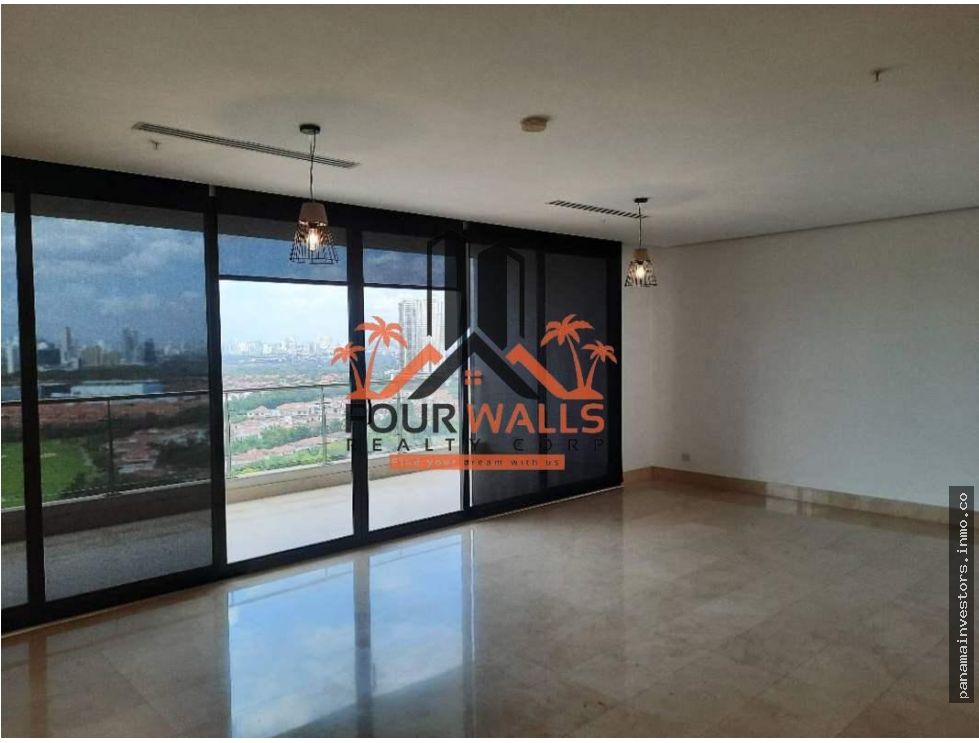
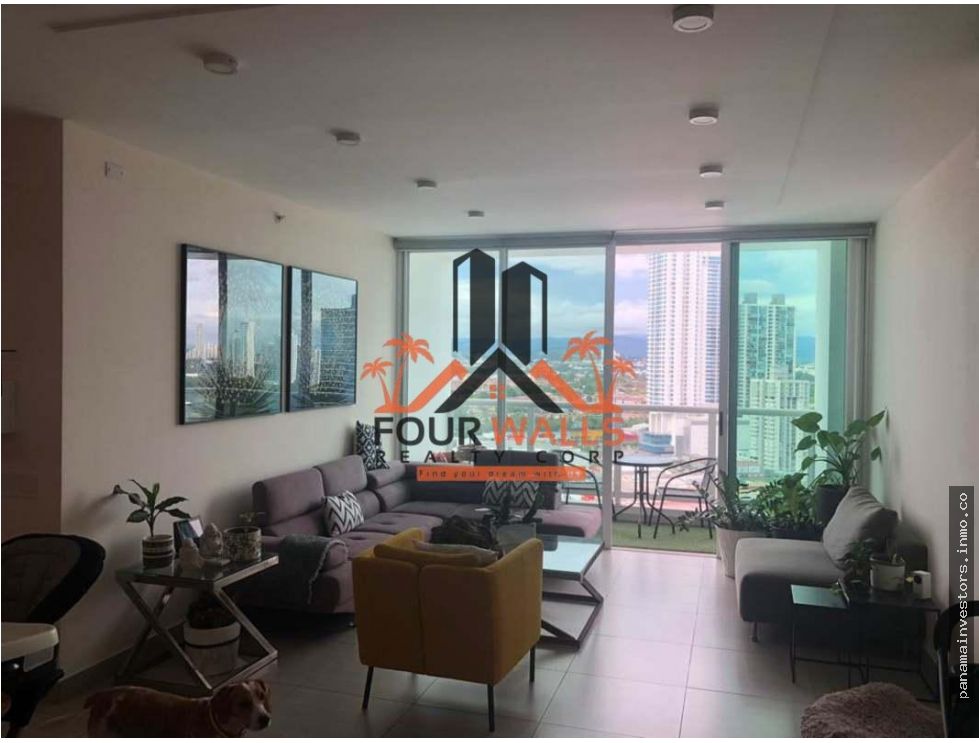
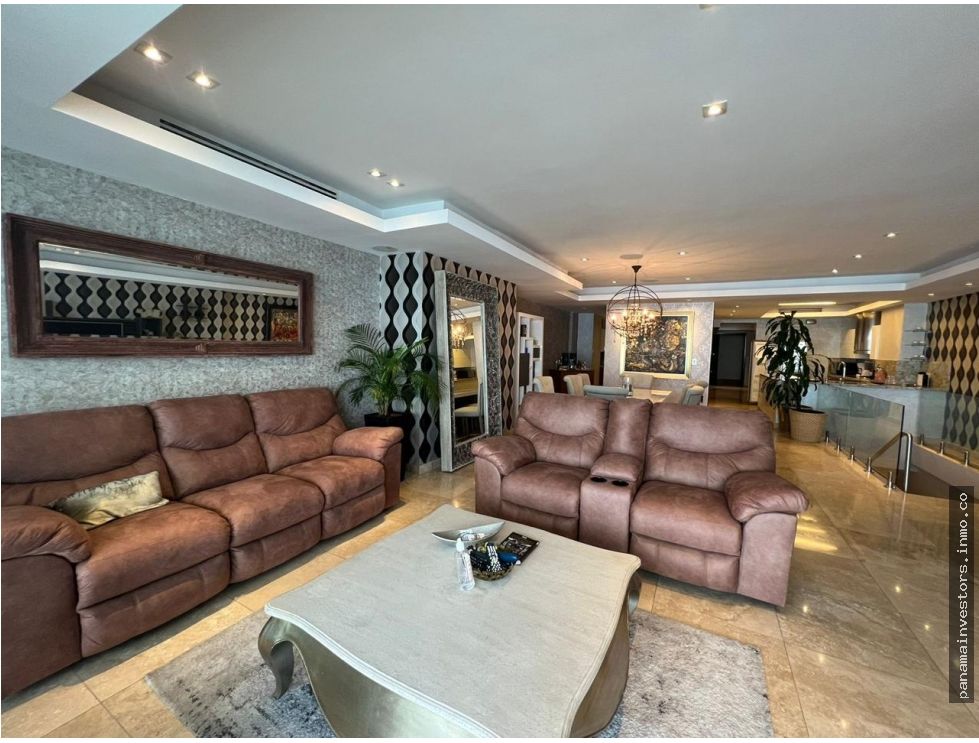
- Natural light, orientation, noise, ventilation and the real condition of finishes and appliances.
- Comparable asking and closing evidence within the same building or immediate area.
For investors, also test realistic rent, vacancy, management and furnishing assumptions. For residents, weigh commute patterns, healthcare, groceries, recreation and daily walkability.
How international buyers can shortlist efficiently
Begin with a budget band and two or three neighborhoods. Request updated availability and create a building-level comparison that includes interior area, bedrooms, parking, fees and condition. Video tours can eliminate weak options, but a physical inspection or trusted local review remains valuable before committing.
Use the broader Panama City neighborhood guide for area context, then open the live listings below for property-specific photos and details.