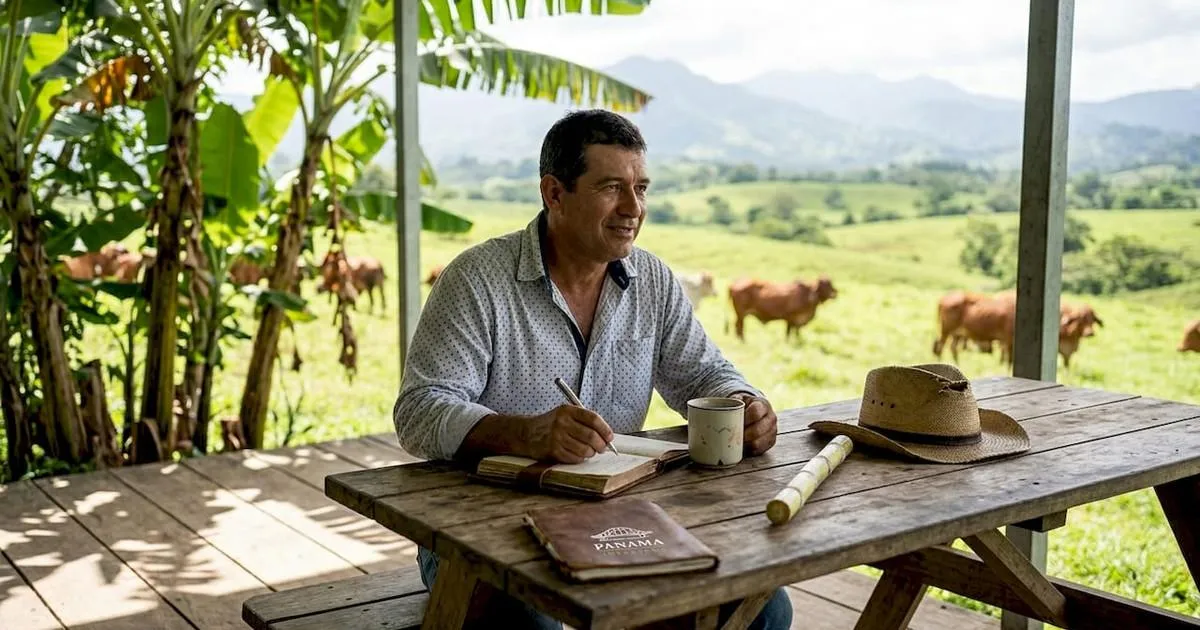
Finca property in Panama: a guide for global investors
Finca property in Panama: a guide for global investors
- Panama Investors
- Apr 23
- 9 min read
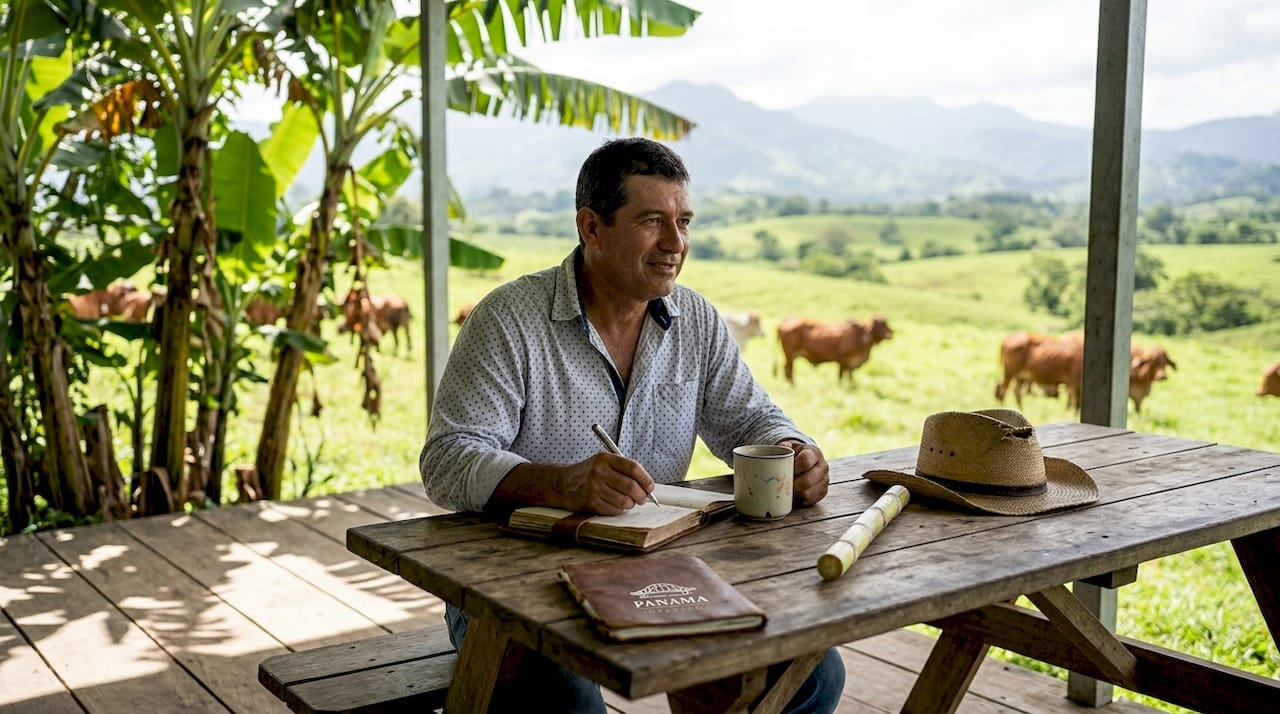
Most international buyers hear “finca” and picture a dusty cattle ranch far from the nearest paved road. That assumption costs them real money. In Panama, the word covers a much wider category of property than you might expect, from private country estates and reforested hillside parcels to eco-tourism retreats and boutique agriculture operations. Buyers who take the time to understand what a finca actually is in the Panamanian legal and market context often find the most compelling land opportunities the country has to offer. This guide breaks down definitions, investment logic, regional hotspots, legal steps, and the practical risks you need to know before making a move.
Table of Contents
Key Takeaways
Point | Details |
Fincas defined broadly | In Panama, a finca includes a range of rural and estate properties, not just farms. |
International buyer advantages | Panama offers full property rights and compelling ownership benefits for foreign investors. |
Regional market diversity | Top regions like Chiriquí and Azuero offer distinct price points, climates, and growth potential. |
Careful due diligence | Securing clear title, confirming infrastructure, and working with local experts are essential steps for buyers. |
Strategic long-term opportunity | Finca investments can yield lifestyle, income, and capital growth when approached with local insight. |
What is a finca property in Panama?
The word “finca” comes from Spanish and translates loosely as “property” or “estate.” In Panama, it carries a specific meaning within the national property registry system. A finca is essentially a registered parcel of land, and in practice the term is most often applied to rural, semi-rural, or estate-style properties outside major urban centers.
According to a guide for foreign real estate buyers, “finca” refers to rural or estate property that often includes agricultural land, pasture, or country estates. That definition is broader than most buyers initially assume.
Here are the most common property types that fall under the finca category in Panama:
Agricultural plots: Land used or zoned for farming, coffee growing, cattle, or other food production
Ranches and cattle estates: Large parcels with existing livestock infrastructure
Rural country homes: Private residences on sizable lots outside city limits, often with mountain or ocean views
Reforested or teak investment parcels: Planted timber land held for capital appreciation
Mixed-use rural estates: Properties combining a residence, gardens, and productive land
One major distinction worth noting: urban properties in Panama go through a different registry classification. Condos, city lots, and suburban housing developments are not fincas in the traditional sense, even though they receive a “finca number” as part of the registry process. The key difference lies in location, land use, and zoning, not just terminology.
Now, a few myths need clearing up. First, you do not have to farm a finca to own or enjoy one. Many buyers purchase rural parcels purely for lifestyle, privacy, or future appreciation. Second, fincas are not exclusively remote. Some of the most desirable properties sit 20 minutes from a full-service town. Third, expats and foreign nationals can and do own fincas freely in Panama.
“The perception that rural property in Panama requires active agricultural management discourages buyers from some of the country’s most valuable land opportunities.” That perception is simply wrong, and local experts see it proven wrong regularly.
Pro Tip: Ask specifically whether a property is titled or “rights of possession” (ROP). Titled fincas provide the strongest legal security and are generally preferable for foreign buyers making their first purchase.
Why invest in finca property? Key benefits and opportunities
Panama’s rural property investment rise has drawn consistent international attention, driven by strong ownership laws and pricing that remains well below comparable markets in Europe or North America.
Here is what makes finca ownership in Panama genuinely attractive:
Privacy and space at a fraction of what the same acreage would cost in Costa Rica or Colombia
Agricultural income potential from coffee, cacao, citrus, or timber without heavy tax burden
Eco-tourism development opportunity, especially in highland and coastal zones with natural attractions
Flexible land use, meaning you can live on it, lease it, develop it, or simply hold it
Low annual property taxes on rural land, especially below certain assessed values
Feature | Finca property | Urban condo/apartment |
Average entry price | $80K to $400K+ | $120K to $600K+ |
Typical lot size | 1 to 100+ hectares | 80 to 300 sq meters |
Annual property tax | Often near zero | Varies, typically higher |
Rental income potential | Agro-tourism, vacation | Short or long-term rental |
Liquidity | Lower, longer sale cycles | Higher in urban markets |
Development flexibility | High | Restricted by zoning |
The reasons to choose Panama over other Latin American markets are well established: a dollarized economy, no capital gains tax on primary residences, and some of the most investor-friendly foreign ownership laws in the region.
Popular finca regions each offer a different profile. Chiriquí Province, home to Boquete and Volcán, attracts buyers who want cool highland climate, fertile volcanic soil, and an established expat community. Coclé Province, centered around El Valle de Antón, offers proximity to Panama City combined with a mountain microclimate. The Azuero Peninsula appeals to buyers seeking dry-season sunshine, cattle land, and a more authentically Panamanian lifestyle.
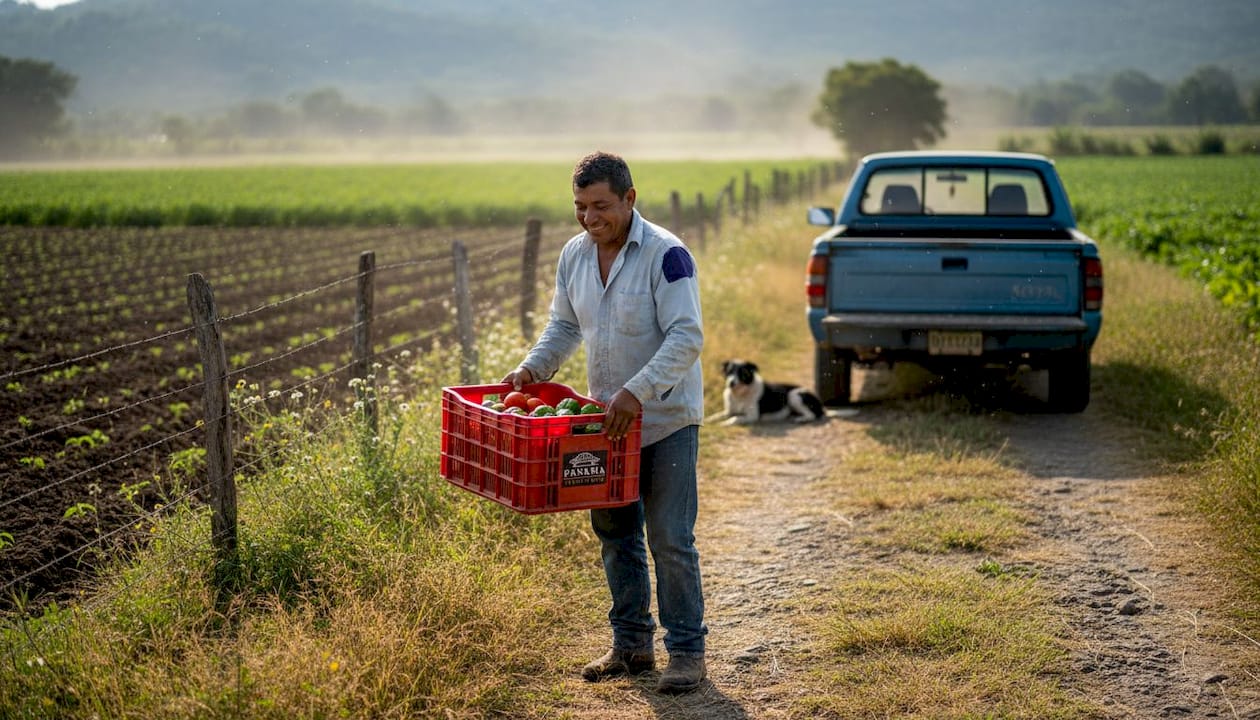
Pro Tip: If passive income is your primary goal, look for fincas near established tourism corridors. A property with water rights, road access, and natural features can generate steady rental revenue with relatively light management.
Where to find finca properties: Panama’s best regions and market dynamics
Knowing which regions offer the best value requires looking beyond price per hectare. Boquete and Azuero Peninsula have become recognized hotspots for rural real estate among expats and investors, and each has a distinct market character.
Region | Typical lot size | Avg. price per hectare | Key appeal |
Boquete, Chiriquí | 0.5 to 50 ha | $8,000 to $35,000 | Cool climate, coffee country, expat services |
Volcán, Chiriquí | 1 to 100 ha | $5,000 to $20,000 | Agricultural scale, lower entry cost |
El Valle de Antón | 0.25 to 10 ha | $15,000 to $60,000 | Proximity to Panama City, unique crater valley |
Azuero Peninsula | 5 to 200+ ha | $3,000 to $12,000 | Large parcels, cattle tradition, coastal access |
Veraguas | 2 to 500+ ha | $1,500 to $8,000 | Frontier pricing, Pacific coast potential |
What do international buyers consistently prioritize when evaluating these areas?
Year-round access via paved or graded road
Reliable water source (river, spring, or municipal connection)
Proximity to a town with medical services and supermarkets
Stable internet and mobile signal for remote work
Security and low crime profile in the immediate area
A key market trend worth tracking: demand from younger buyers (35 to 50 age range) is accelerating alongside the traditional retiree segment. These buyers want land they can build on, work from, and eventually sell at appreciation. That dual demand is supporting price stability even in smaller markets like Veraguas and the Santa Fé highlands.
For a direct side-by-side comparison of Panama against its neighbors, the Panama vs Costa Rica vs Colombia analysis shows clearly why Panama’s rural land values hold up under scrutiny. Panama simply offers more per dollar in most rural categories, and the legal framework for foreign ownership is more transparent than in several competing markets.
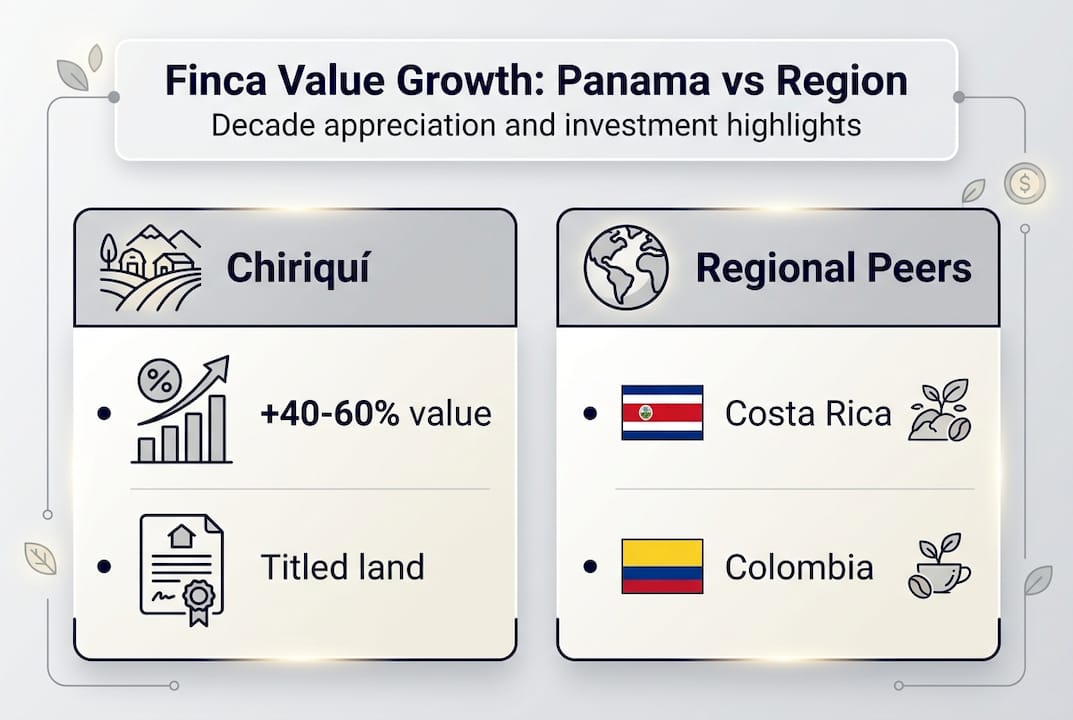
Stat to know: In some Chiriquí micro-markets, finca values have appreciated 40 to 60 percent over the past decade, with coffee and eco-lodge operations delivering 6 to 9 percent annual yields on well-managed parcels.
What to know before buying: Legal, practical, and financial considerations
Legal counsel is vital for avoiding common issues when purchasing rural property in Panama. This is not optional advice. It is the single most important step you can take.
Here is a practical step-by-step process for foreign buyers:
Define your intent: Residential, investment, agriculture, or development? Your purpose shapes the search criteria and due diligence priorities.
Engage a licensed local agent: Someone with specific rural market knowledge, not just urban condo experience.
Commission a title search: Verify the finca number in Panama’s public registry, confirm there are no liens, and check ownership history.
Survey the boundaries: Physical boundary disputes are the most common source of conflict in rural transactions. A certified surveyor should walk the perimeter.
Confirm zoning and land use: Not all rural land can be developed or subdivided freely. Check with the relevant municipal and national authorities.
Review water rights and access easements: Especially critical for agricultural parcels.
Negotiate and sign a promise-to-buy agreement: This is a binding contract in Panama. Have bilingual legal counsel for buyers review every clause.
Complete notary transfer: The final deed is signed before a Panamanian notary and registered with the public registry.
For a full walkthrough of each stage, the buying property step by step guide goes deeper on timelines and costs.
“The most expensive mistakes in Panamanian rural property almost always trace back to skipping title verification or trusting verbal boundary agreements.”
Pro Tip: Before signing anything, get in touch for legal advice and confirm whether the property is registered under full title or rights of possession. Rights of possession land carries higher risk and requires a separate conversion process before you hold true legal title.
Common risks buyers encounter include properties with unclear inheritance splits among heirs, informal agreements with squatters or caretakers, and infrastructure surprises like seasonal road flooding or no grid power access. None of these are dealbreakers, but all require disclosure and negotiation before closing.
A new perspective: Why most investors misunderstand Panamanian fincas
Most buyers approach finca properties through one of two narrow lenses: either they want cheap acreage, or they want a working farm. Both frames miss the bigger opportunity.
The real value in Panama’s rural land often sits at the intersection of strategic location and long-term development trajectory. A parcel 15 minutes outside a growing expat town is not farmland. It is pre-development land with a lifestyle wrapper and a 10-year appreciation story.
We have seen buyers pass on properties priced under $150,000 with mountain views and titled status because they could not visualize the use. Those same parcels now trade at double. The buyers who profited were not agricultural experts. They were people who understood community growth patterns and asked the right local questions.
Online listings in Panama represent maybe 30 percent of what is actually available. The best finca deals move through local networks, word of mouth, and agent relationships. That is not a Panama quirk. It is how rural markets work everywhere, but it matters more here because the market is less formalized than in North America or Europe.
The regional investment comparison data reinforces this: Panama’s rural land has outperformed comparable Costa Rican and Colombian markets on a cost-adjusted basis over the past decade, largely because buyers with local access found supply before it hit public platforms.
Thinking long-term in Panama is not just a strategy. It is a structural advantage.
Ready to invest in Panama’s finca property market?
Navigating finca property as a foreign buyer is manageable when you have the right support structure around you. The research, the legal steps, the regional knowledge — it all becomes a lot cleaner when you are working with someone who has done it before.

Panama Investors offers specialist advisory services tailored to international buyers at every stage of the finca purchase process. Whether you are evaluating your first rural parcel or expanding an existing portfolio, the team’s on-the-ground experience helps you avoid costly errors and spot opportunities that never reach public listings. Speak with Panama Investors today to get a personalized market assessment and find out which regions currently offer the strongest finca opportunities for your specific goals.
Frequently asked questions
Can foreigners buy finca property in Panama?
Yes. Panama’s equal ownership rights for foreigners are well established in law, meaning international buyers hold the same property rights as Panamanian nationals with no additional restrictions on rural land purchases.
What are the main risks of buying a finca in Panama?
The most common issues are unclear title history, boundary disputes with neighbors, and undisclosed infrastructure limitations. Clarifying land title through a licensed attorney before signing any agreement is the most effective way to manage these risks.
How much does a typical finca property cost in Panama?
Prices range from under $50,000 for basic rural parcels to several million for premium estates, but Panama’s rural lands consistently deliver stronger value per hectare than comparable properties in Costa Rica, Colombia, or most European rural markets.
Do finca properties come with water and infrastructure access?
Not always. Not all rural properties in Panama have paved road access, utility connections, or stable internet, so buyers must confirm all infrastructure details as a non-negotiable part of due diligence before making any offer.
Recommended
